
 03 348 5359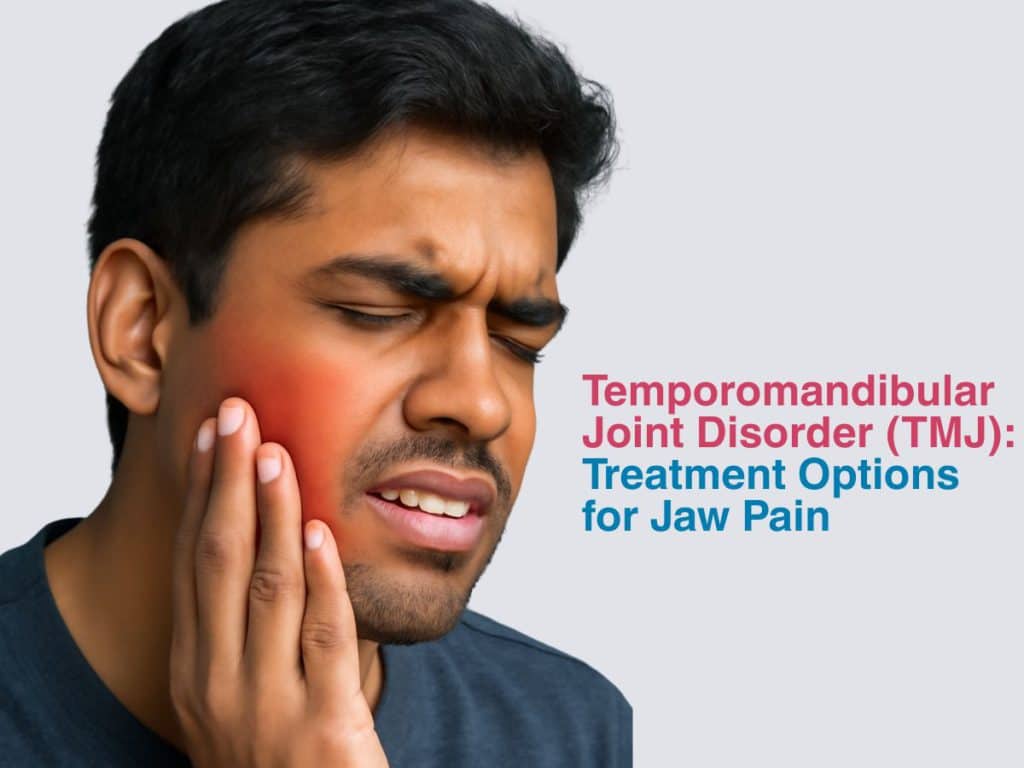
Jaw pain can be frustrating, persistent, and surprisingly disruptive to daily life. If you’ve noticed clicking when chewing, pain near your ear, headaches that won’t settle, or difficulty opening your mouth fully, you may be dealing with temporomandibular joint (TMJ) dysfunction.
At You First Physio, we regularly see clients who have been managing jaw pain for months — sometimes years — without real answers. The good news? TMJ conditions respond very well to the right assessment and targeted treatment.
What Is the TMJ?
The temporomandibular joint (TMJ) connects your lower jaw to your skull, just in front of your ears. It’s one of the most frequently used joints in the body — active when you talk, chew, yawn, swallow, and even breathe.
Because it works so constantly, it can become overloaded.
TMJ dysfunction (also called TMD) can involve:
- The joint itself
- The cartilage disc inside the joint
- The surrounding muscles
- The neck and upper spine
Common Signs We See in Clinic
TMJ pain doesn’t always feel like “jaw pain.” Many clients present with:
- Pain around the jaw or ear
- Clicking, popping, or grinding
- Jaw locking or catching
- Temple headaches
- Neck and upper shoulder tension
- Ear fullness or ringing
- Pain with chewing or wide opening
Often, jaw pain and neck pain go hand-in-hand. That’s why we always assess both.
Why Does TMJ Pain Develop?
There’s rarely just one cause. In our clinics, common contributing factors include:
- Clenching or grinding (especially during stress)
- Long hours at a desk with forward head posture
- Previous dental procedures or trauma
- High stress levels
- Poor jaw muscle coordination
- Joint hypermobility
Importantly, scans don’t always tell the full story. Many people have disc changes without pain. At You First Physio, we focus on how your jaw is functioning — not just what imaging shows.
How We Treat TMJ at You First Physio
We take a practical, hands-on, and education-focused approach.
1️⃣ Thorough Assessment
We assess:
- Jaw movement and control
- Muscle tension patterns
- Neck mobility and posture
- Clenching habits
- Contributing lifestyle factors
Understanding what’s driving your symptoms is key.
2️⃣ Hands-On Treatment
Treatment may include:
- Gentle TMJ joint mobilisation
- Soft tissue release to jaw, face, and neck muscles
- Upper cervical spine treatment
Often, improving neck mobility significantly reduces jaw symptoms.
3️⃣ Specific Jaw Exercises
TMJ rehab is subtle and precise — not heavy strengthening. We prescribe exercises that:
- Improve jaw coordination
- Restore smooth movement
- Reduce muscle overactivity
- Build joint tolerance
These are simple but very effective when done correctly.
4️⃣ Clenching & Stress Management
Many TMJ issues are linked to unconscious daytime clenching. We help you:
- Recognise clenching patterns
- Modify jaw position at rest
- Reduce overload during flare-ups
- Implement practical stress-management strategies
5️⃣ Collaborative Care
If needed, we work alongside:
- Dentists (for splints where appropriate)
- GPs
- Other health professionals
Our goal is always conservative management first. Surgery is rarely required for TMJ dysfunction.
When Should You Book an Assessment?
Consider booking if:
- Your jaw pain has lasted more than a few weeks
- You’re getting recurring headaches
- Your jaw locks or feels restricted
- You wake with jaw tension
- Eating or talking aggravates symptoms
Early management prevents long-term persistent patterns.
Supporting You Across Our Clinics
You can access TMJ assessment and treatment at You First Physio clinics in:
- Longhurst
- Avonhead
If jaw pain, headaches, or facial tension are affecting your daily life, we’re here to help.
Because at You First Physio — your recovery comes first.

 03 348 7965
