
 03 348 5359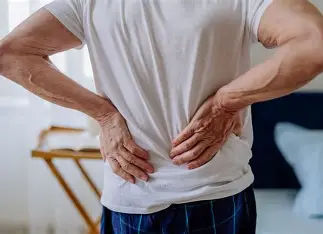
Low back pain is something nearly all of us will experience at some point—whether from a busy work week, a long day with the kids, training a little harder than usual, or simply sitting more than our bodies enjoy. At You First Physio, we see it every day, and the good news is this: most low back pain is non-specific, not dangerous, and very treatable.
In fact, non-specific low back pain accounts for around 90–95% of all low back pain presentations. With the right support, it often improves within days to weeks.
So, What Is Non-Specific Low Back Pain?
Non-specific low back pain refers to discomfort that isn’t caused by a serious underlying injury or disease. Instead, it’s usually related to a mix of factors such as:
- Tight or overworked muscles
- Stiff joints
- Prolonged sitting or awkward positions
- A sudden spike in activity (weekend warriors—this one’s for you!)
- Stress, tiredness, or disrupted sleep
- Deconditioning—when the back simply isn’t being moved or used enough
At You First Physio, we often describe the back as a strong, adaptable structure—more like a durable piece of high-quality equipment than something fragile. When it gets sore, it’s usually a sign of irritation or sensitivity, not damage.
Why It Happens: A Whole-Body, Whole-Lifestyle View
Your lower back is a robust part of your body built for loading, lifting, twisting, bending, and carrying the demands of daily life. But it can become sensitive when something changes suddenly.
We regularly see people who:
- Start a new gym program
- Sit more during a busy period at work
- Spend more time driving
- Get run down or stressed
- Stop doing their usual exercise
- Lift or move awkwardly “just once”
Pain often comes from the back being overloaded or underloaded—like a smoke alarm that goes off when things are smoky, not necessarily when there’s a fire.
At You First Physio, we take a broad approach that considers lifestyle, movement patterns, strength, sleep, and stress—all of which influence pain and recovery.
The You First Physio Approach to Getting You Better
There is no one-size-fits-all solution for back pain, which is why our team focuses on personalised care. Here’s how we help you get back to feeling confident with movement:
1. Reassurance and Education
Understanding that your back is strong and your pain will improve is powerful. We take the time to explain what’s going on, what you can expect, and how to move safely. This often reduces fear and helps recovery start immediately.
2. Keep You Moving – Even Early On
It’s common to want to rest when your back hurts, but complete rest can make things worse. We help you find the right level of movement—often small and gentle at first—to reduce stiffness, improve circulation, and calm the back down.
This might include:
- Walking
- Light stretching
- Easy mobility exercises
- Gradual return to normal activity
Movement is medicine, and starting early is key.
3. Tailored Strength and Mobility Programs
Our physiotherapists will build a program specifically for you. This may include strengthening the:
- Core and abdominal muscles
- Glutes and hips
- Lower back muscles
- Upper back and postural muscles
A stronger, more coordinated back is a more resilient back. Many of our patients tell us they feel stronger and more confident than before their pain even began.
4. Hands-On Treatment (Where indicated)
Soft tissue work, joint mobilisation, dry needling, and massage can all provide relief. While manual therapy doesn’t “fix” back pain by itself, it can reduce pain and tension, making it easier for you to move well and progress your exercises.
5. Addressing Everyday Habits
We’ll help you identify small tweaks that can make a big difference, such as:
- Breaking up long sitting periods
- Improving sleep quality
- Managing stress
- Adjusting lifting or movement techniques
- Building movement into your day
These factors are often overlooked but are crucial for long-term back health.
When Should You Get Checked?
While non-specific low back pain usually settles on its own, you should book in to see us if you experience:
- Pain persisting longer than a couple of weeks
- Pain shooting down the leg
- New numbness or weakness
- Difficulty walking or completing daily tasks
- A sudden return of pain you’ve had before
If you ever have serious symptoms such as changes to bladder/bowel control or severe weakness, seek urgent medical attention—but these cases are extremely rare.
You Don’t Have to Put Up with Back Pain
At You First Physio, we’re here to help you understand your pain, build confidence, and get moving again—not just until the pain settles, but in a way that sets you up for long-term success.
Whether it’s your first episode, a recurring annoyance, or something that’s limiting your work, sport, or family life, we’ll guide you every step of the way with evidence-based, personalised care.
**Your back is strong. Your body is adaptable.
And with the right plan, you can get back to doing what you love.**

 03 348 7965
